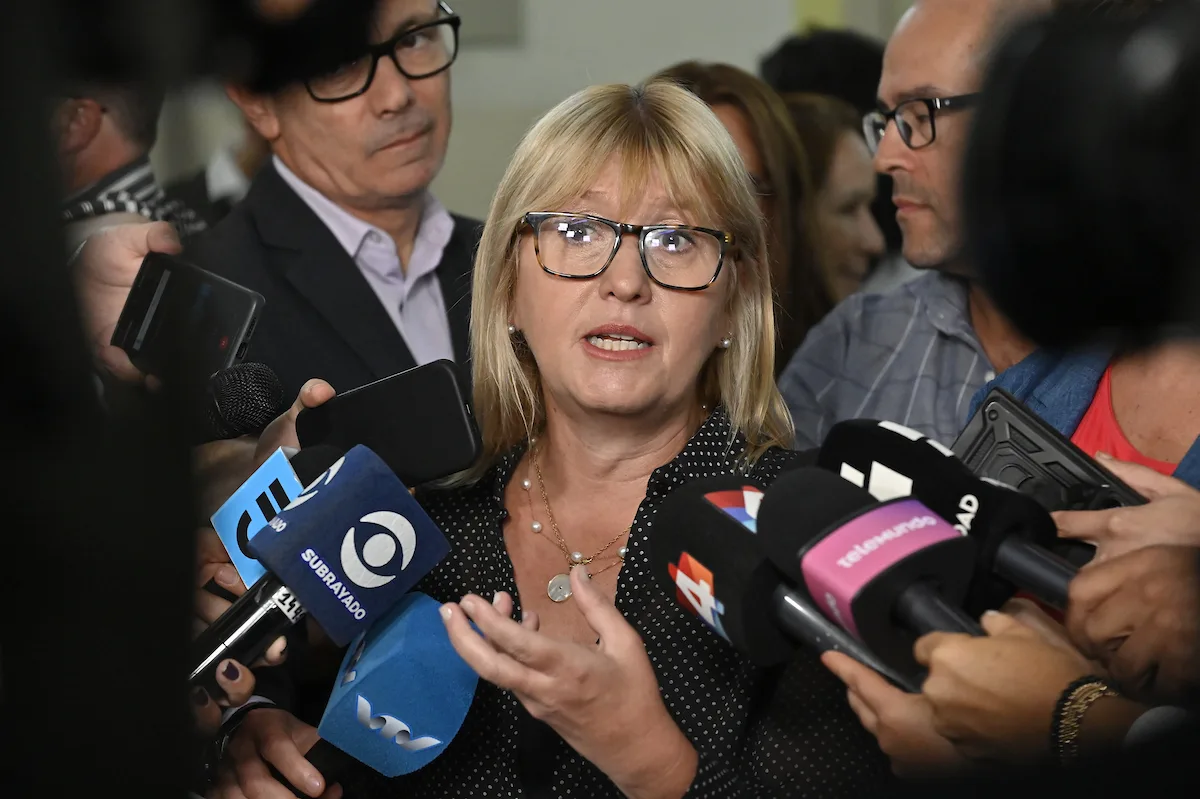
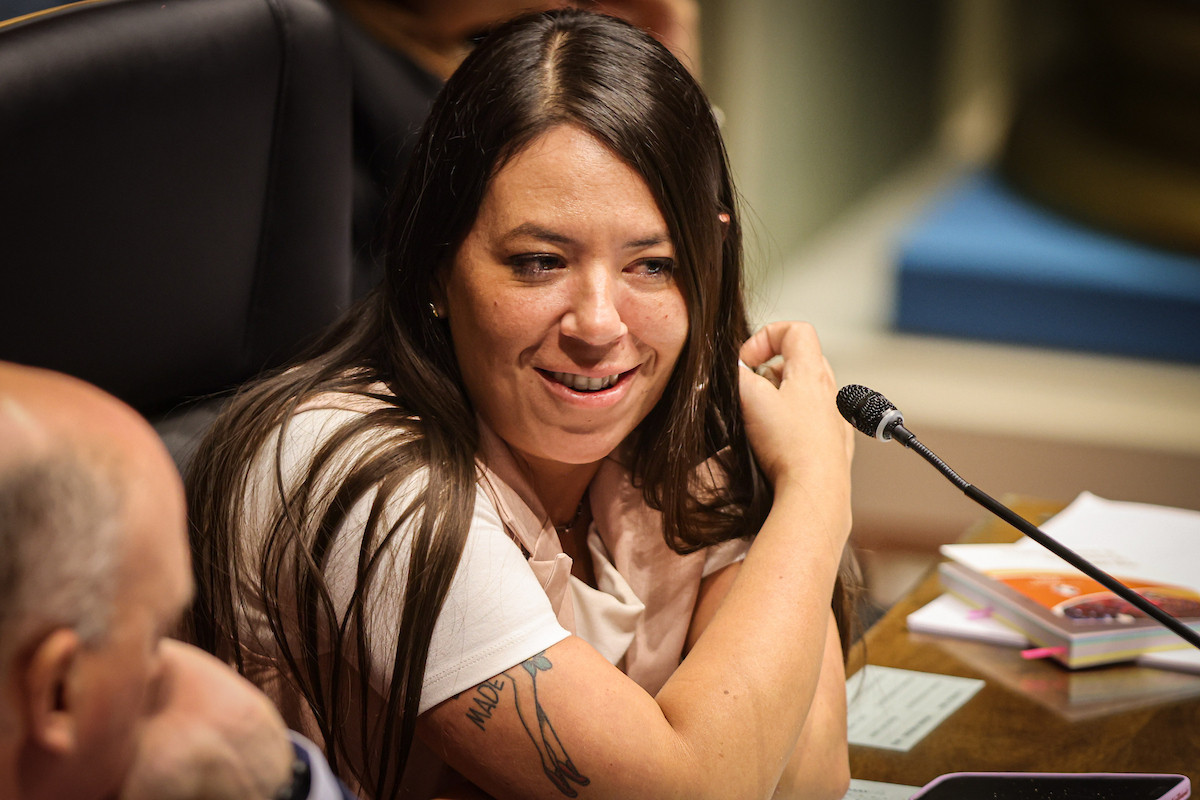
The script seemed rehearsed, but the reality of the situation played tricks on the Broad Front senator, Bettiana Díaz. In an interview that should have focused on the management and numbers of the first year and a half of Yamandú Orsi's government, the legislator ended up starring in an intersection that left more questions about her response capacity than certainties about the national reality.
When journalist Leonardo Pereyra put a screenshot of her personal Instagram account on the table—an image that was already in the public domain—the senator did not respond. There was no room for explanation or self-criticism. Instead, he activated the mechanism that today seems to be the standard response to any uncomfortable question: the accusation of “political violence.”
The art of not answering
The senator went from defending the “Más Barrio” program to indignation in the blink of an eye. It is an old tactic, but it continues to pay dividends in certain niches: when faced with a question you don't like, you attack the interviewer. Díaz questioned why he was being asked about his private life, suggesting that male politicians are not subjected to the same scrutiny.
However, the data is there. The legislator, who has held a seat in Parliament since 2017, seems to forget that public scrutiny is an inherent part of the role. When asked if she regretted the presentation, she chose the path of personal attack towards the interviewer, calling the question “very low” and directing the topic towards a discussion about gender, thus avoiding going into the heart of the matter.
The “double rod” as a refuge
The climax was when, cornered by the drivers' insistence, the senator chose to bring up other topics, including prosecuted opposition senators, in an obvious attempt to divert the focus. It is a classic distraction strategy: if they ask you about something that bothers you, point to someone else so that the rest forget about your own shadow.
It is curious that, while defending the “credentials” of the Broad Front to manage poverty and insecurity, the legislator shows such fragility when faced with a personal question. If the Frente Amplio intends to govern with a communication strategy based on pointing out “political violence” every time a journalist does his or her work, the relationship with the press will be, to say the least, a minefield.
Management, the great absentee
While the senator wasted away crossing her Instagram, people's real problems remained in the background. Orsi's management of the first year and a half, insecurity and housing plans—topics that Díaz mentioned in a triumphalist tone—were just the backdrop to a discussion that focused on herself.
At the end of the day, the viewer was left with the image of a senator who prefers the trenches of ideological discourse over frank exchange. The “double standard” that Díaz spoke so much about seems to apply more strongly in her own position: she demands transparency for others, but she locks herself in her own speech when it is her turn to be observed. An interview to be forgotten, where politics was kidnapped by victimization.
Subscribe to Uruguay Al Día
Receive the most important news directly in your email. Clear, independent and updated information every day.
Follow us on WhatsApp
Join our official channel and receive alerts, news and exclusive content from Uruguay Al Día.
🔔 Join the WhatsApp channel