



Death of Israeli soldier in Lebanon
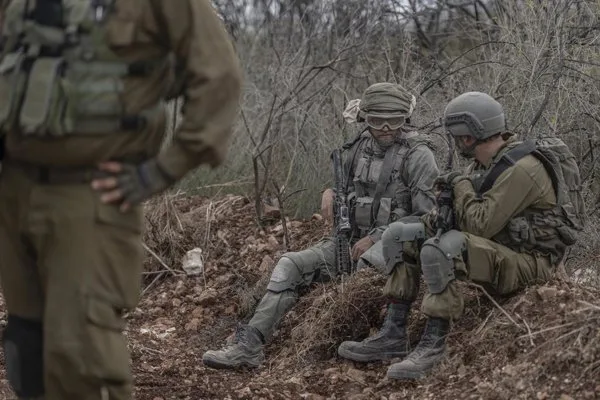
The Israeli Army confirmed this Thursday the death of a soldier in southern Lebanon, in the context of an offensive that has intensified tensions in the region. Sergeant Liem Ben Hamo, 19, from Herzliya, belonged to the 13th Battalion of the Golani Brigade. According to an official statement from the Israel Defense Forces (IDF), the young man died “in combat” during operations in the area.
The situation in southern Lebanon has become critical, with an increase in clashes between Israeli forces and the Shiite militia party Hezbollah. This conflict has intensified in recent weeks, generating concern among both the local population and the international community. The death of Sergeant Ben Hamo adds to an already tense scenario, where the clashes have left a number of wounded and a climate of uncertainty.
The Israeli Army also reported that another soldier was “moderately wounded” during the fighting. This soldier was taken to a hospital to receive medical attention, although his identity has not been revealed. The IDF has kept a low profile regarding the details of the operation, fueling rumors about the magnitude of the offensive and its possible repercussions.
Context of the offensive
The Israeli incursion into southern Lebanon is framed in a context of growing hostility between Israel and Hezbollah. Since the start of operations, multiple attacks and counterattacks have been recorded, leading to an increase in military presence on the border. The civilian population in the region is on alert, with many residents evacuating areas near conflict hotspots.
The Israeli authorities have justified the offensive as a necessary measure to guarantee national security, while Hezbollah has responded with air and artillery attacks, which has generated a cycle of violence that is difficult to stop. The international community is watching the development of these events with concern, fearing that the situation could escalate into a broader conflict.
In the midst of this climate of tension, the families of the soldiers involved are experiencing moments of anguish. The news of the death of Sergeant Ben Hamo has shocked his community, where the young man is remembered as a boy committed to his military service. The IDF has expressed its condolences to the soldier's family, as debate over security and the human cost of the conflict intensifies in Israeli society.
The situation on Israel's northern border is a constant reminder of the complexities of the conflict in the Middle East. The history of confrontations between Israel and Lebanon has left deep marks on both nations, and each new episode of violence rekindles old wounds. The death of a soldier, in this case, not only represents a loss for his family, but also symbolizes the human cost of a war that seems to have no end.
The Israeli authorities have maintained a firm discourse, ensuring that they will continue operations until stability is achieved in the region. However, the impact of these decisions is felt in the daily lives of citizens, who face the uncertainty of a future marked by conflict.
The conflict in Lebanon is not only a security issue, but also has profound social and political implications. The polarization in Israeli public opinion is evident, with sectors that support the offensive and others that question the military strategy. The death of Sergeant Ben Hamo could be a turning point in this debate, as each military casualty revives the question about the cost of war.
The international community is closely following the events, with calls for calm and the search for diplomatic solutions. However, the reality on the ground is complex, and the possibilities of a ceasefire seem distant. The region's recent history suggests that peace is an elusive goal, and each new confrontation further complicates the picture.
The death of Sergeant Liem Ben Hamo is a reminder of the price paid in armed conflict. A young soldier's life has been lost in the midst of an ongoing fight, leaving his family and community in mourning. In the current context, the search for a peaceful solution seems more urgent than ever.