
The diagnosis of a country that is losing competitiveness
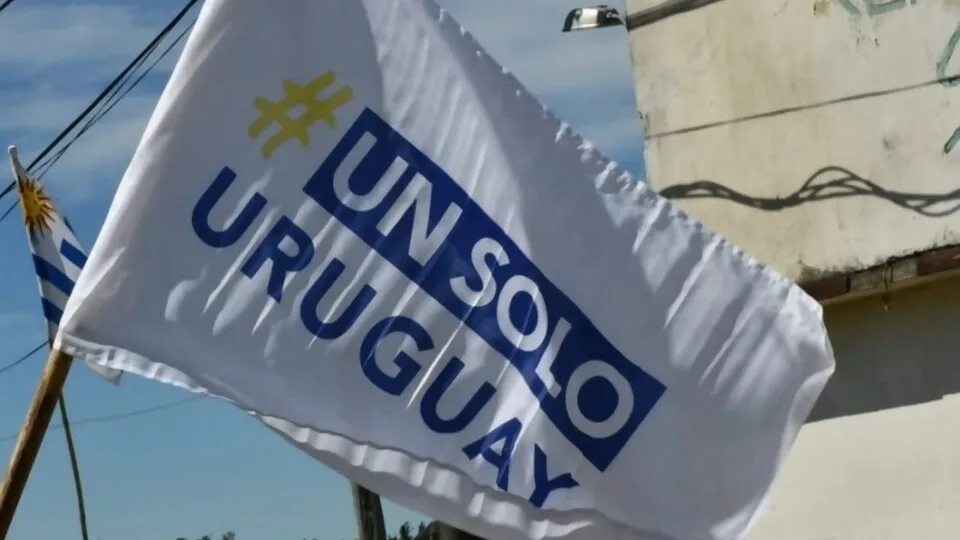
On a hot day in the town of Gaetán, department of Lavalleja, the social movement once again marked the field with the reading of the proclamation of ONE URUGUAY ONLY. Eight years after that historic January 23 that changed the map of civil protest in the country, the group presented a document loaded with warnings about the economic and social direction of the nation. According to sources from the organization Uruguay a Day, el foco principal estuvo puesto en lo que definen como una «pérdida sistemática de competitividad» que está dejando al país fuera de competencia.
For the members of the movement, the current reality no longer admits diagnoses, but rather urgent solutions. The text read before hundreds of producers and neighbors maintains that producing in national territory is more expensive than in any neighboring country, which generates a financial suffocation that not only affects the countryside, but also local commerce. The proclamation of One Uruguay underlines that the Uruguayan economy remains indexed to the pace of state spending, while the income of the export sectors is trapped in an internal cost structure that seems to have no ceiling.

An elephant state under the magnifying glass of the countryside
Uno de los puntos más ríspidos del documento fue la interpelación directa a la eficiencia del Estado. El colectivo fue enfático al solicitar que la administración pública «deje de hacer todo aquello que no le corresponde» y se centre en servicios de calidad sin asfixiar al sector privado. En este sentido, la proclamation of One Uruguay apuntó los cañones contra las tarifas públicas, denunciando que estas no reflejan criterios de eficiencia operativa, sino que son utilizadas para tapar las «necesidades de caja» del Gobierno de turno, sin importar el color político.
Likewise, the tax pressure and the fiscal deficit fueron señalados como los grandes enemigos de la inversión. El movimiento advirtió que no es posible combatir el déficit mediante la creación o aumento de tributos, sino que la única vía razonable es la austeridad y la eficiencia administrativa. La burocracia, calificada como un «impuesto invisible», fue otro de los blancos de las críticas, señalando que las regulaciones excesivas frenan cualquier intento de innovación en las pequeñas y medianas empresas National who are trying to survive the situation.
Alert for the exodus of young people and educational failure
Más allá de los números y las planillas de costos, el mensaje de este año tuvo un fuerte componente social. El movimiento expresó su profunda preocupación por el fenómeno migratorio, afirmando que el país se está quedando sin futuro debido a la falta de condiciones para que las nuevas generaciones se radiquen en el interior. El Uruguay se está apagando», sentencia la proclamation of One Uruguay, referring not only to young people who emigrate, but also to immigrants who, after choosing the country, decide to seek new horizons through the high cost of living.
In this framework, education was placed as the security policy most relevant that the country must address. USU warned that the abandonment of the educational system by young people es un síntoma claro de un «fracaso colectivo» que tendrá consecuencias nefastas en el mediano plazo. La falta de oportunidades laborales genuinas y la desconexión entre la formación y las necesidades del mundo productivo son, para el movimiento, las causas fundamentales de una fractura social que sigue profundizándose.
Citizen control and pressure on the cabinet
Como novedad táctica para este 2026, el movimiento anunció que pasará de la proclama a la acción directa de control. Realizarán consultas formales a cada ministro y legislador para que expliquen, con datos concretos, qué medidas están impulsando para «aflojarle la cincha» al sector productivo. Lo más relevante es que el colectivo adelantó que hará públicas tanto las respuestas obtenidas como los silencios, exponiendo ante la ciudadanía el compromiso real relationship of the hierarchs with the problems of Uruguay deep.
The day closed with a call for national unity, giving as an example the recent agreement in the fishing sector, where dialogue between the parties managed to reverse a crisis that seemed terminal. For A Only Uruguay, the future of the country is built without punishing those who produce and work the land. With this message, the movement reaffirms its role as a political-social actor that, far from being diluted over the years, is still the thermometer of discontent in the interior of the country.
Will this public interpellation be the necessary mechanism for the Uruguayan political system to finally decide to apply the structural reforms that the productive sector has been demanding for almost a decade?
Subscribe to Uruguay Al Día
Receive the most important news directly in your email. Clear, independent and updated information every day.
Follow us on WhatsApp
Join our official channel and receive alerts, news and exclusive content from Uruguay Al Día.
🔔 Join the WhatsApp channel