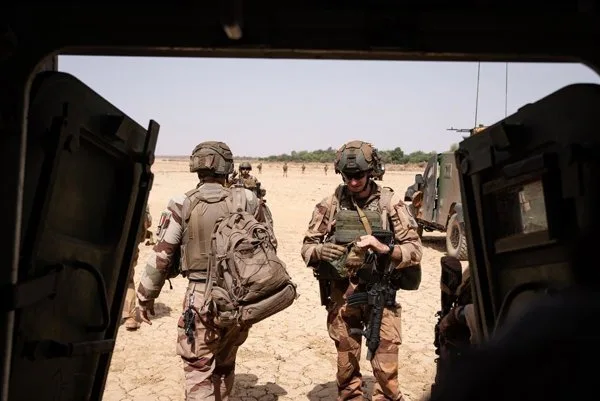

Las autoridades de Malí han declarado un toque de queda de 72 horas en todo el distrito de Bamako, la capital del país, a raíz de una reciente ofensiva llevada a cabo por grupos armados yihadistas y tuaregs. Esta decisión busca reforzar la seguridad y el orden público en un contexto de creciente tensión, después de ataques que ocurrieron en la madrugada del sábado en la capital y otras ciudades clave. El gobernador del distrito, Abdoulaye Coulibaly, fue quien emitió la orden el pasado viernes, argumentando que la medida respondía a “necesidades de orden público,” tal y como se especifica en un comunicado oficial de la administración local.
Detalles del toque de queda en Bamako
El toque de queda prohíbe completamente la circulación de personas entre las 21:00 y las 06:00 horas (hora local) durante un periodo inicial de 72 horas, aunque existe la posibilidad de que esta medida sea prorrogada dependiendo de la evolución de la situación de seguridad en el área. La restricción es aplicable a todo el territorio del distrito de Bamako, lo que incluye tanto a la capital como a sus alrededores. La decisión, que se implementa a partir de la fecha de su firma, cuenta con un respaldo legal sólido, incluyendo disposiciones de la Constitución y leyes vigentes relacionadas con la seguridad y la gestión administrativa del país.
Responsabilidades de las autoridades locales
Según el decreto número 2026-0644/GDB-CAB, las autoridades locales tienen la responsabilidad de asegurar el cumplimiento del toque de queda. En este sentido, cada subprefecto, alcalde y responsable municipal, junto con los jefes regionales de los servicios de seguridad, deberán implementar la medida en sus respectivas áreas. Este enfoque descentralizado se considera esencial para garantizar que la medida sea efectivamente aplicada, en medio de un clima de incertidumbre y preocupación por la seguridad de los ciudadanos en la capital maliense.
Contexto de inseguridad en Malí
La decisión de establecer el toque de queda llega en un momento crítico, marcado por un aumento de los incidentes violentos en Malí, particularmente en la región de Bamako. La ciudad ha experimentado un incremento en las actividades de grupos yihadistas, que han sido responsables de varios ataques en los últimos meses. Este escenario complicado ha llevado a las autoridades a tomar decisiones rápidas para proteger a la población y facilitar las operaciones de seguridad. La iniciativa busca salvaguardar a los ciudadanos de posibles retaliaciones y crear un ambiente más seguro para la evaluación y las acciones de las fuerzas de seguridad.
Impacto de la medida en la población
El toque de queda, si bien es una herramienta de seguridad, también tiene un impacto significativo en la vida cotidiana de los residentes de Bamako. Las restricciones a la circulación pueden afectar diversas actividades, desde el trabajo hasta el acceso a servicios esenciales durante las horas prohibidas. Sin embargo, muchos ciudadanos comprenden la gravedad de la situación y aceptan la medida como una forma de proteger sus vidas y las de sus seres queridos. A medida que las autoridades siguen monitorizando la situación, se mantienen en alerta ante cualquier eventualidad que podría implicar una actualización de las restricciones o la ampliación del toque de queda.
Por el momento, las autoridades no han proporcionado información específica sobre la magnitud del ataque que motivó la imposición de estas restricciones. No obstante, enfatizan que la medida es de carácter preventivo y diseñada para responder a un contexto en constante cambio en cuanto a la seguridad, que atenta contra la paz y la estabilidad del país. La situación en Malí requiere una respuesta organizada y firme, y el toque de queda es una de las herramientas que se consideran necesarias en este momento. A medida que se desarrolla la situación, la población sigue atenta a las instrucciones y recomendaciones de las autoridades locales para garantizar su seguridad en un ambiente que, aunque tenso, busca volver a la normalidad lo más pronto posible.
Suscribite a Uruguay Al Día
Recibí las noticias más importantes directamente en tu correo. Información clara, independiente y actualizada todos los días.
Seguinos en WhatsApp
Unite a nuestro canal oficial y recibí alertas, noticias y contenido exclusivo de Uruguay Al Día.
🔔 Unirme al canal de WhatsApp