
The region is heading towards one of the most complex climate challenges of the last 75 years. Atmospheric monitoring models indicate that the El Niño phenomenon that is currently developing has the potential to be positioned as the fifth most severe event recorded since 1950. With a probability of occurrence estimated at 85%, the most forceful effects are expected to manifest during the winter and the beginning of spring, directly affecting the water dynamics of the Plata basin.
This panorama is not only an academic forecast, but a direct warning for contingency planning. Projections indicate that the warming of Pacific waters will result in copious rainfall that will flow into key river channels, requiring extreme vigilance over water control infrastructure.

El Niño phenomenon and its impact on water infrastructure
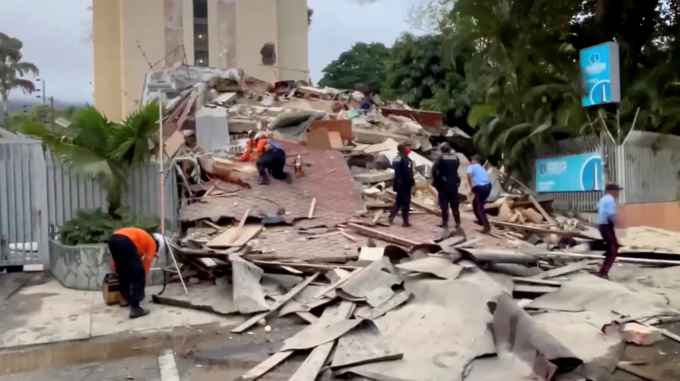
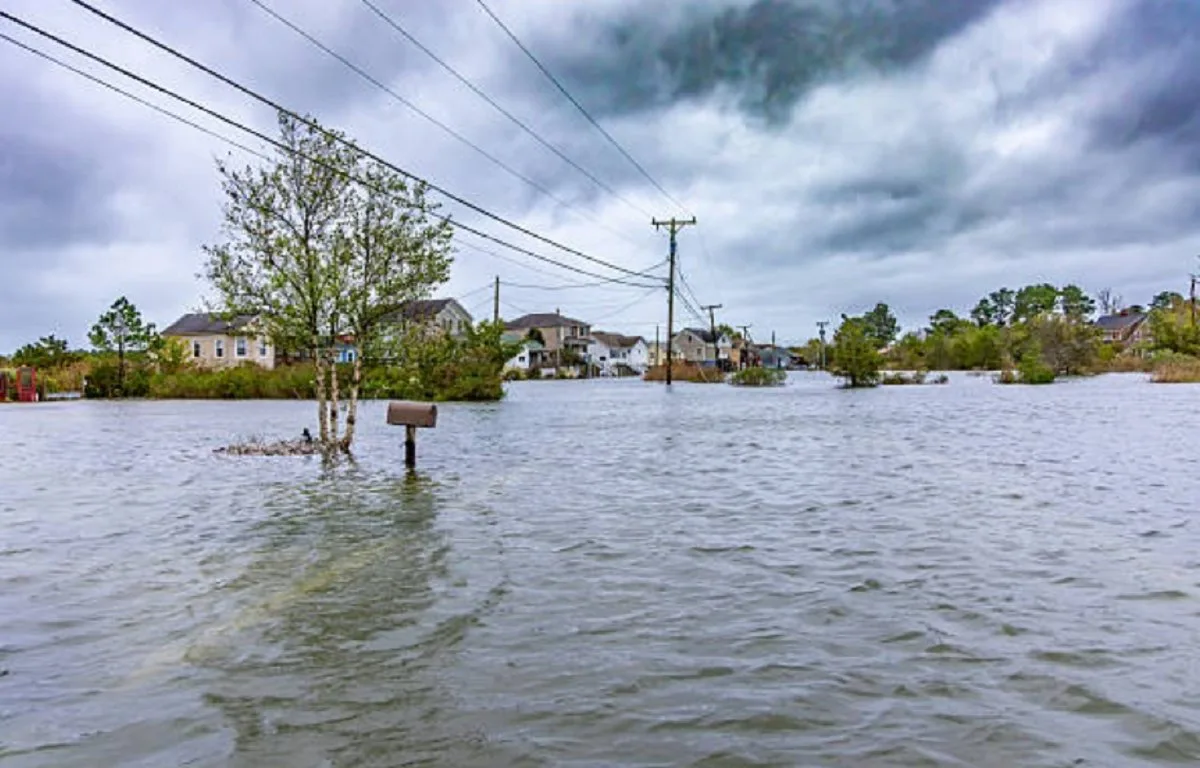
The core of the risk is located in the upper and middle basin of the river Uruguay. According to technical analyses, the abundant rains expected for July and August in the southern region regional will have a cumulative effect on flows. This volume of water will generate overflows that will mainly affect the riverside populations, with a projection of displaced people that could number in the thousands in the departments of the western coast.
Given this scenario, the strategic management of hydroelectric dams becomes essential. Coordination to cushion floods will be vital to minimize the impact in urban areas that have already shown vulnerability in previous cycles. Recent historical records highlight this fragility: in 2024, more than 12,000 people were reported evacuated in the national territory, while the previous year the figure exceeded 5,500 displaced by similar climatic contingencies.
Thermal variability and seasonal transition
Although the central Pacific shows neutral ranges for now, warming is already evident in the South American coastal strips. This transition phase towards a larger scale event will be consolidated at the end of autumn, a season that will be characterized by a marked thermal amplitude. Experts point out that, although there will be a predominance of high temperatures and days with summer characteristics even in June, the entry of cold fronts will cause sudden drops in temperature in very short periods of time.
Irregularity will be the norm regarding rains during the months immediate. However, the frequency and volume of rainfall will increase as the season progresses, reaching its most dangerous point with the arrival of the low systems winter pressure. These episodes extremes will not only bring water in abundance, but also intense winds associated with changes in atmospheric pressure.
Consequences for decision making
The current climate warning focuses on the need for state and departmental agencies to adjust their immediate response protocols. The recurrence of these large-scale events, enhanced by oceanic thermal anomalies, requires a long-term vision in the management of urban drainage and relocation plans. He El Niño phenomenon This year represents a litmus test for early warning systems, in a world where intensity records are broken with increasing frequency.
Meteorologist Guillermo Ramis
Subscribe to Uruguay Al Día
Receive the most important news directly in your email. Clear, independent and updated information every day.
Follow us on WhatsApp
Join our official channel and receive alerts, news and exclusive content from Uruguay Al Día.
🔔 Join the WhatsApp channel