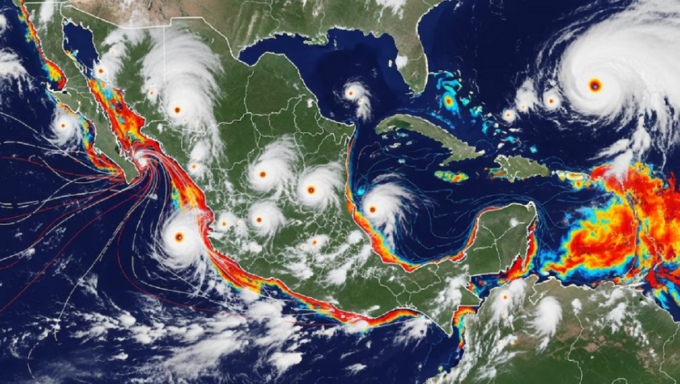
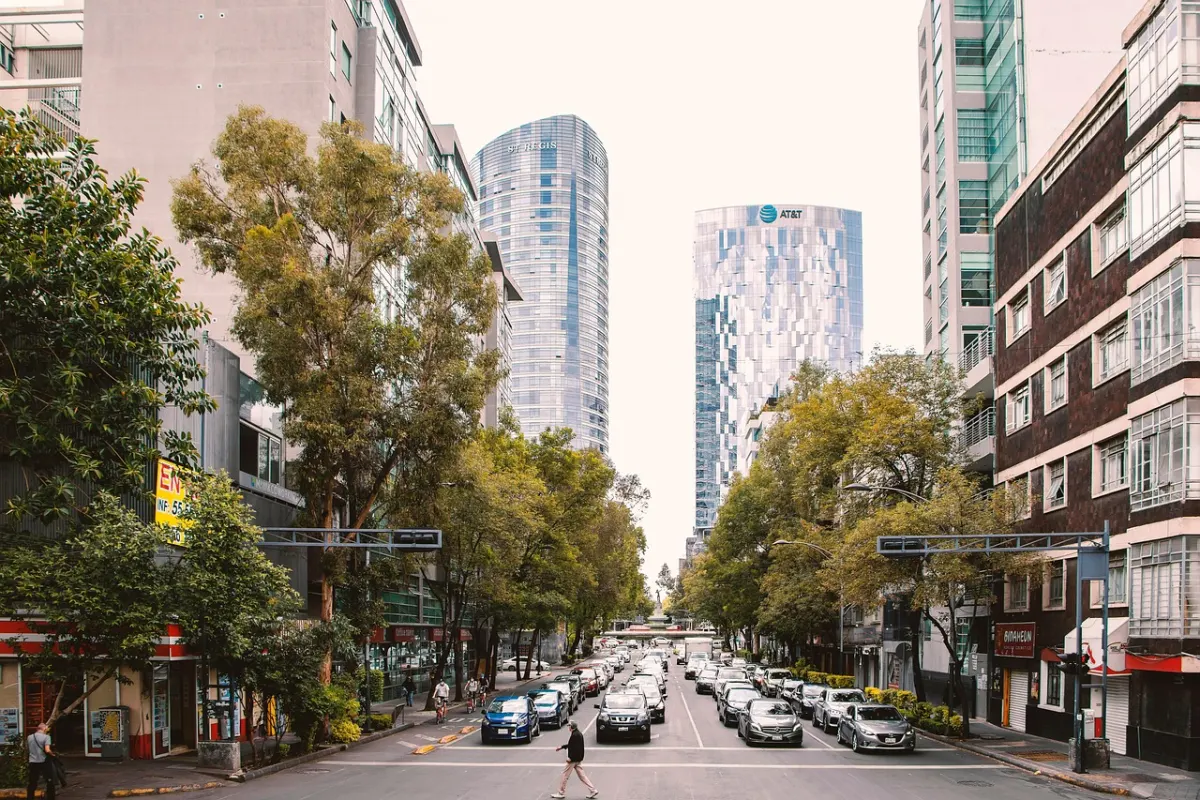

This is how the air quality dawned in CDMX this November 30
The air quality in CDMX It was once again at “Acceptable” levels during the early hours of the morning, according to the report issued by the Atmospheric Monitoring Directorate at 05:00. Although the risk is considered “Moderate”, the authority reminded that vulnerable groups must remain attentive to changes that may occur throughout the day.
The report includes the situation of both Mexico City and the State of Mexico, areas that share an environmental dynamic marked by traffic, industrial activity and meteorological variations. These factors usually cause sudden fluctuations in air quality, especially during times of high mobility.

A dawn with acceptable levels, but with warnings for sensitive groups
The monitoring revealed that the Ultraviolet Ray index started the day at level zero, which means that no special sun protection is required. during the first hours. However, authorities insisted that those who suffer from respiratory diseases, older adults and children should avoid prolonged exposure in case contaminants begin to increase.
These types of notices are frequent during the season dry, when the atmosphere tends to retain harmful particles for longer. That is why specialists recommend checking the state of the air before doing physical activity or exposing yourself to prolonged exposure to air. public thoroughfare.
Readings by mayor: areas with acceptable air and stations without data
The capital's network of sixteen stations recorded mixed results. Some showed good levels; others, acceptable values; and several were temporarily without data due to maintenance or calibration.
Among the relevant data from the last cut:
-
Tlalpan: Acceptable
-
Azcapotzalco: Acceptable
-
Coyoacan: Acceptable
-
Cuajimalpa: Good
-
Cuauhtemoc: Good
-
Miguel Hidalgo: Good
-
Alvaro Obregon: Acceptable
-
Iztapalapa: Acceptable
Benito Juárez, Gustavo A. Madero, Iztacalco, Tláhuac, Santa Fe and another station in Coyoacán remained without registration. This usually occurs when equipment is undergoing maintenance, although the rest of the network allows for a general overview of the air quality in CDMX.
Air status in Edomex: majority with favorable levels
In the thirteen monitoring points of the State of Mexico, the trend was mostly positive. Several stations reported “Good” conditions, especially in municipalities such as Atizapán, Cuautitlán Izcalli, Ecatepec and Tultitlán.
The cases without data included stations in Chalco, Naucalpan, Nezahualcóyotl and an additional point in Ecatepec. In contrast, Tlalnepantla and Coacalco showed “Acceptable” levels, which implies that the evolution of the particles should also be monitored there during the rest of the day.
The reiteration of municipalities in the list responds to the existence of multiple stations in areas of high population density or with significant environmental variations.
Mexico, among the countries with the highest PM2.5 pollution in the region
An international report published by IQAir indicated that Mexico is among the Latin American countries with the highest presence of fine PM2.5 particles, recognized as the most harmful to health. In 2024, the national level became 3.5 times higher than the value recommended by the World Health Organization.
These particles come mainly from sources such as:
-
vehicle emissions
-
Industrial activity
-
Burning of materials
-
Accumulated urban dust
Their microscopic size allows them to cross the respiratory tract and reach the bloodstream, generating risks of respiratory, cardiovascular and even neurological diseases.
That is why daily monitoring became an indispensable tool in large cities like the Mexican capital, where environmental stability depends on both the climate and urban behavior.
What can happen if air quality deteriorates during the day?
When the air quality in CDMX changes abruptly, the authorities can activate immediate measures. Among them are the Environmental Contingency and the Doble Hoy No Circula program, aimed at reducing emissions in critical periods.
These scenarios usually appear when three factors are combined:
-
High vehicular mobility
-
Dry and low climate atmospheric ventilation
-
Constant presence of PM2.5 particles and ozone
For now, the scenario is moderate. However, the behavior of air can change in short periods of time, especially during the afternoon, when solar radiation increases and pollutants react in the atmosphere.
Will it be possible for the capital to move towards a real and sustained reduction in its pollution levels in the coming years?
Subscribe to Uruguay Al Día
Receive the most important news directly in your email. Clear, independent and updated information every day.
Follow us on WhatsApp
Join our official channel and receive alerts, news and exclusive content from Uruguay Al Día.
🔔 Join the WhatsApp channel